Beauty Journal
Frizzy Hair in Spring Humidity: What Happens to the Hair Fiber
In spring, curls puff up and lose their shape, and the part to fix is the cuticle. What humidity does to it, why silicones aren’t enough and how to repair the fiber from the inside.


Every spring, same story: your curls puff up, lose their shape, turn frizzy. The first instinct is to reach for an anti-frizz product. But the problem isn’t the hair. It’s the cuticle. And until you deal with that, every fix is temporary.
Why humidity causes frizz
The hair fiber is protected by the cuticle, a layer of overlapping scales that, when closed, hold in moisture and keep the hair’s shape. When hair is damaged (by heat, harsh products or chemical treatments), the cuticle stays open.
Humidity finds that open door and gets into the fiber. The hair absorbs water from the air, swells and loses definition. That’s frizz: it isn’t a flaw in your curl, it’s a fiber that can no longer hold its own shape.
Why silicones don’t fix it
Silicones coat the fiber with a film that makes it smooth and shiny. But that film doesn’t repair the cuticle: it covers it. The effect lasts one wash. At the next one, the frizz comes back, often worse than before, because the film kept the active ingredients from getting in.
Adding an anti-frizz product with silicones is like putting a bandage on an infected wound: it hides the problem without solving it.
What works: repair from the inside
You need three things: proteins that rebuild the fiber’s structure, hydration that nourishes it from the inside, and a precise order of application that lets each ingredient do its job.
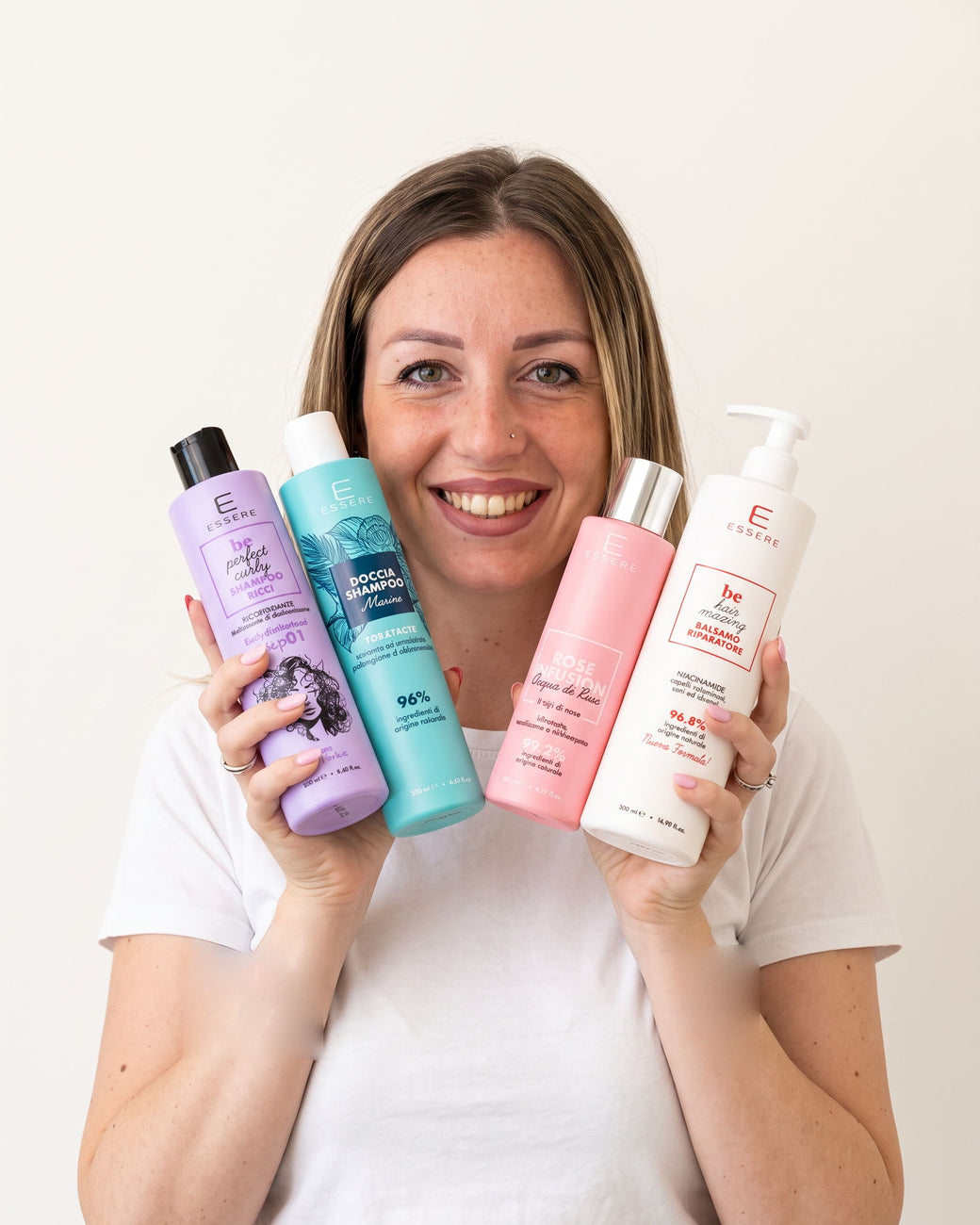
Essere’s Curly Girl Method works exactly like this:
Silicone-free, sulfate-free, alcohol-free. The full method is at essere.bio.