Beauty Journal
After-Sun Skin Care: What Happens to Your Skin and How to Repair It
Once your beach day is over, inflammation in your skin keeps going for hours. How to remove salt, chlorine and sunscreen residue, then rehydrate before the next morning.


When you get back from the beach, your day is over. Your skin's isn't. Inflammation keeps going for hours after sun exposure. Your skin barrier is compromised and losing water. If you don't step in, the damage sets: deep dehydration, dark spots, faster aging. After-sun care isn't optional: it's the second half of your routine. Yet it's the step most people skip.
What happens to your skin in the sun
Your skin is the organ between you and the sun. When you're exposed, three things happen at once.
UVB rays hit the surface: they cause redness, the burning feeling, sunburn. They're the rays you feel. UVA rays go deeper: they reach the dermis, where they damage collagen and elastin. They're the rays you don't feel, and the ones that age you. Blue light (from screens, but also from the sun) adds to oxidative stress and to dark spots.
Your body responds with inflammation: skin turns red and warm, and blood vessels dilate. Melanin kicks in to build a natural shield (your tan). But that process has a cost: your skin barrier weakens, loses water and becomes more permeable.
What happens AFTER sun exposure
Here's what almost nobody considers: the damage doesn't stop when you close the beach umbrella.
Inflammation keeps going for hours after exposure. Free radicals generated by UV rays stay active and keep damaging cells. Your already weakened skin barrier loses water faster: that's why your skin feels tight and dry in the evening.
If you don't rehydrate right then, the damage sets in. Dehydration becomes structural, not just surface-level. The micro-damage caused by UV rays becomes permanent. Photoaging (wrinkles, dark spots, loss of elasticity) isn't the result of a single day in the sun: it's the sum of every exposure you didn't repair.
Salt, chlorine and sunscreen residue
One more factor makes things worse: after a beach day, residue stays on your skin and keeps doing damage.
As seawater evaporates, salt crystallizes on the skin. Those micro-crystals are abrasive and irritate skin already sensitized by the sun. Pool chlorine is a chemical agent that disrupts your skin's pH, making dehydration and irritation worse. Sunscreen residue, if you don't remove it, can clog pores and keep your skin from breathing and regenerating overnight.
These three factors add to the UV damage. If all you do in the evening is a quick shower with a harsh cleanser, you make it worse: you remove the residue but attack a barrier that's already compromised.
Step one: the right cleanse
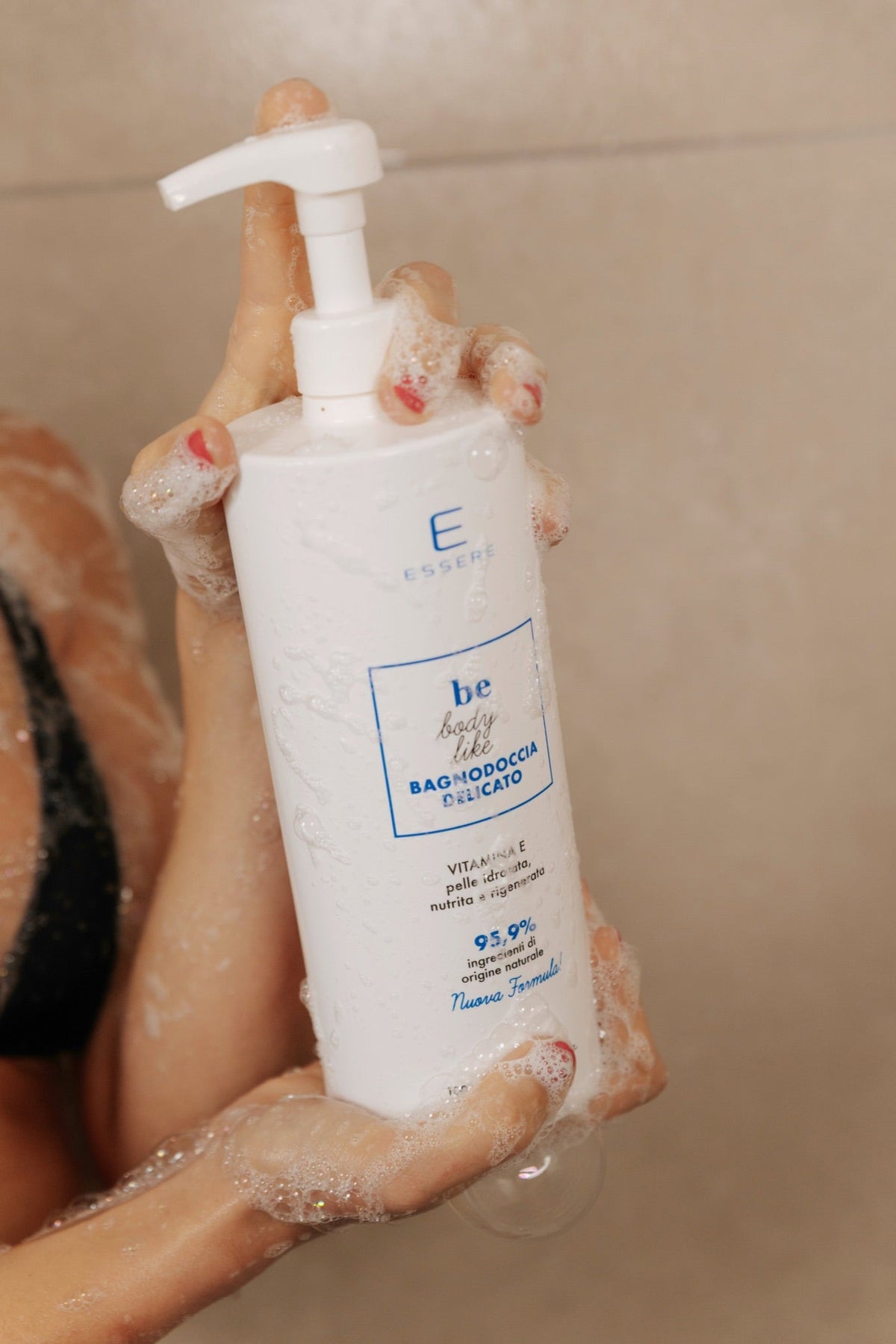
After-sun cleansing has two jobs: remove everything that shouldn't stay (salt, chlorine, sunscreen residue) and rehydrate your skin while it cleans. Sounds simple, but most cleansers only do the first, and often badly.
After cleansing: rehydrate deeply
Cleansing is the first step, not the last. Once you've removed salt, chlorine and residue, your skin is clean but still dehydrated. Now it needs water back.
The next morning: the cycle starts again
Sun care is a cycle: protect in the morning, repair at night, protect again the next morning.
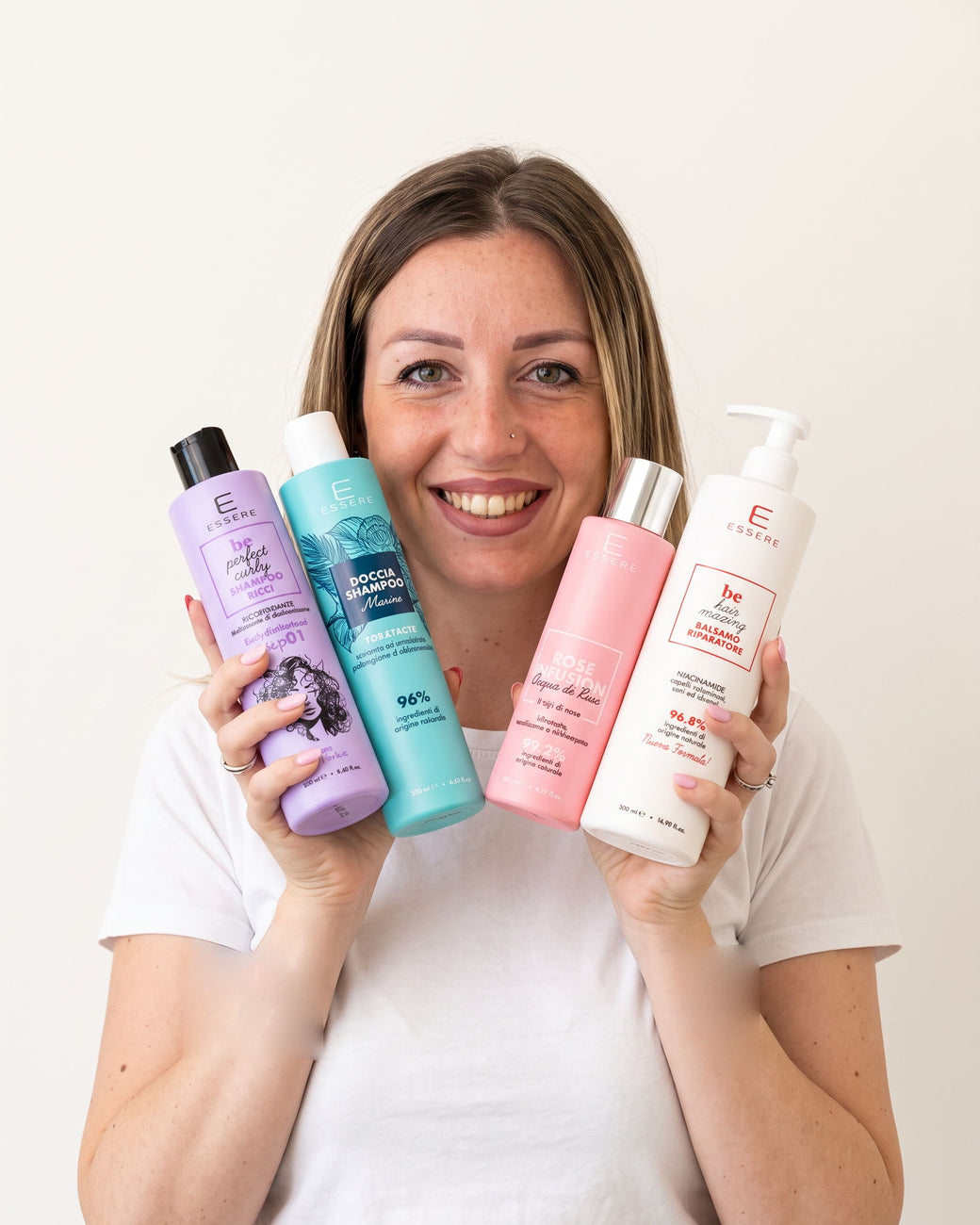
Gentle cleansing: remove salt, chlorine and sunscreen residue without stripping your skin. Marine Hair & Body Wash for body and hair.
Face hydration: a toner with hyaluronic acid (Rose Infusion) + a cream with electrolytes (Hydra H2O).
Body hydration: a soothing body cream or lotion.
No exfoliants: your skin is already sensitized. No scrubs, no acids, no retinol the night after sun exposure.
Next morning: start again with protection. Face, Neck & Décolleté Sunscreen Fluid SPF 50 as your first step.
Every single Essere production batch is tested for nickel, cobalt and chromium, the three metals most commonly behind intolerances and allergies. Dermatologically tested: not a given for a cosmetic, and more common in pharmaceuticals. Vegan and cruelty-free formulas, as guaranteed by the European law banning cosmetic testing on animals and by our exclusive use of raw materials with European compliance.