Beauty Journal
Types of Pimples: How to Identify and Treat Them
Blackheads, whiteheads, papules, pustules, nodules and cysts aren't treated the same way. How to tell them apart, what to do with cleansing, exfoliation and hydration, and when it's time to see a doctor.


Knowing the different types of pimples is key to choosing the right treatment and improving your skin's health. Acne can show up as comedones (blackheads and whiteheads), papules, pustules, nodules and cysts. Each type needs specific care: from gentle cleansing to chemical exfoliants and targeted topical treatments with ingredients like salicylic acid, benzoyl peroxide or retinoids.
For effective acne skincare, Essere Bio recommends products formulated to purify, exfoliate and hydrate without being harsh on your skin:
-
My Cloud – Cleansing Mousse, for a deep yet gentle cleanse,
-
Power Bright – Multi-Active Toner, an exfoliating, brightening toner that helps prevent new blemishes,
-
Skin Perfect – Tone-Evening Face Serum, to refine skin texture,
-
Hydra H2O – Hydrating Face Cream, for light, balanced hydration.
Remember: every skin is different. A routine built for your skin and, when needed, a visit to a dermatologist are the first step to treating acne effectively and naturally.
Types of Pimples: How to Identify and Treat Them
Pimples, or acne, are a common skin condition that shows up in different forms, each with its own features. Understanding the differences between the types of pimples is key to choosing the right treatment and improving your skin's health.
1. Comedones
- Blackheads (open comedones): Small bumps with a dark surface. The color comes from sebum oxidizing on contact with air. Blackheads mean your pores are clogged with sebum and dead cells.
- Whiteheads (closed comedones): Small white or skin-colored bumps. Unlike blackheads, whiteheads are covered by a thin layer of skin and aren't exposed to air, so they don't oxidize.
2. Papules
Papules are inflammatory lesions that show up as red, solid bumps with no pus. They can be tender to the touch, and they signal deeper inflammation than comedones.
3. Pustules
Similar to papules, pustules are inflammatory lesions, but they contain pus. They look like red bumps with a white or yellow tip and can be painful.
4. Nodules
Nodules are deeper, more painful inflammatory lesions. They form solid bumps under the surface of the skin and can last for weeks, with a higher risk of scarring.
5. Cysts
Cysts are deep, large inflammatory lesions filled with pus. They're often painful and are very likely to leave permanent scars if they aren't treated properly.
Recommended Treatments
Acne treatment depends on the type and severity of the lesions. Here are some general guidelines:
Cleansing
Use a gentle cleanser to remove impurities and excess sebum without irritating your skin.
My Cloud – Cleansing Mousse: Formulated to cleanse skin thoroughly without drying it out, helping prevent clogged pores.

Exfoliation
Chemical exfoliants with salicylic or glycolic acid can help prevent clogged pores.
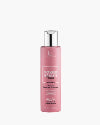
Power Bright – Multi-Active Toner: Contains exfoliating acids that refine skin texture and help prevent blemishes from forming.
Topical Treatments
Apply products with active ingredients such as benzoyl peroxide, retinoids or azelaic acid to reduce inflammation and fight bacteria.
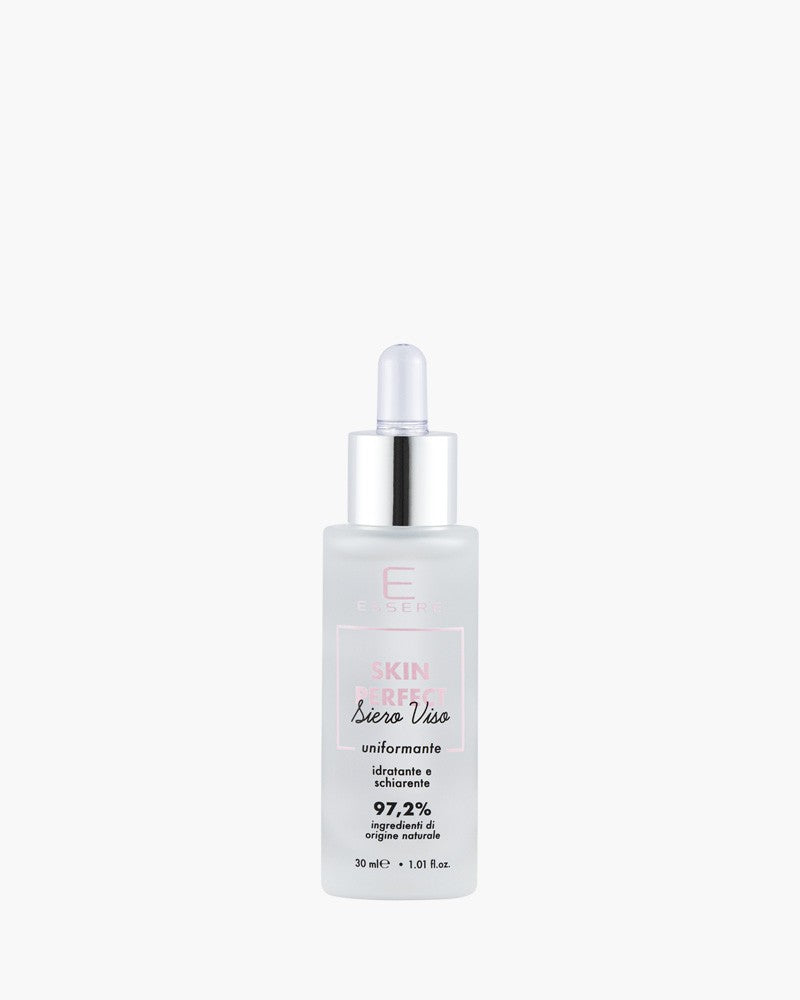
Skin Perfect – Tone-Evening Face Serum: Contains active ingredients that help reduce blemishes and improve skin texture.
Hydration
Keep your skin hydrated with non-comedogenic products to protect your skin barrier.
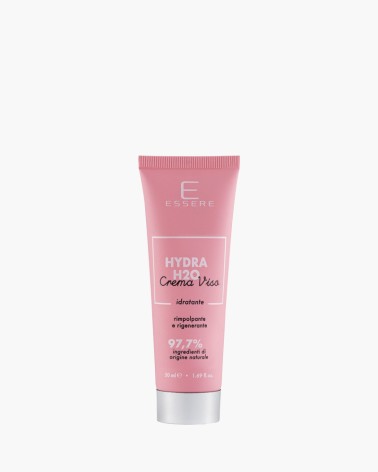
Hydra H2O – Hydrating Face Cream: Hydrates your skin while keeping excess sebum in check. Ideal for combination and oily skin.
Seeing a Doctor
For moderate or severe acne, it's best to see a dermatologist to assess specific treatments, including antibiotic or hormonal therapy.
Remember that every skin is different. Watch how your skin reacts to different products and, when needed, ask a professional for personalized advice.